
Discover Teatro Campoamor
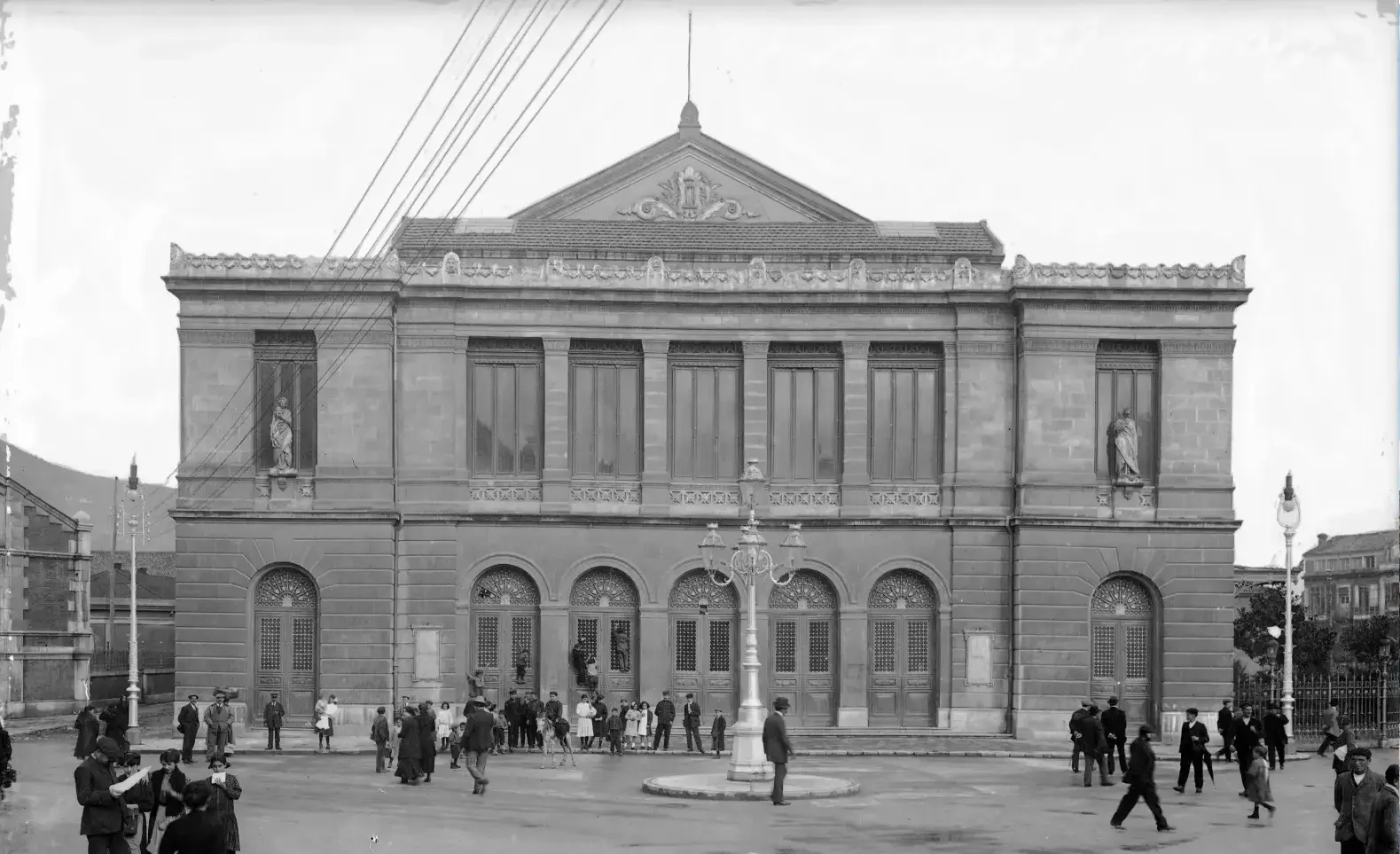
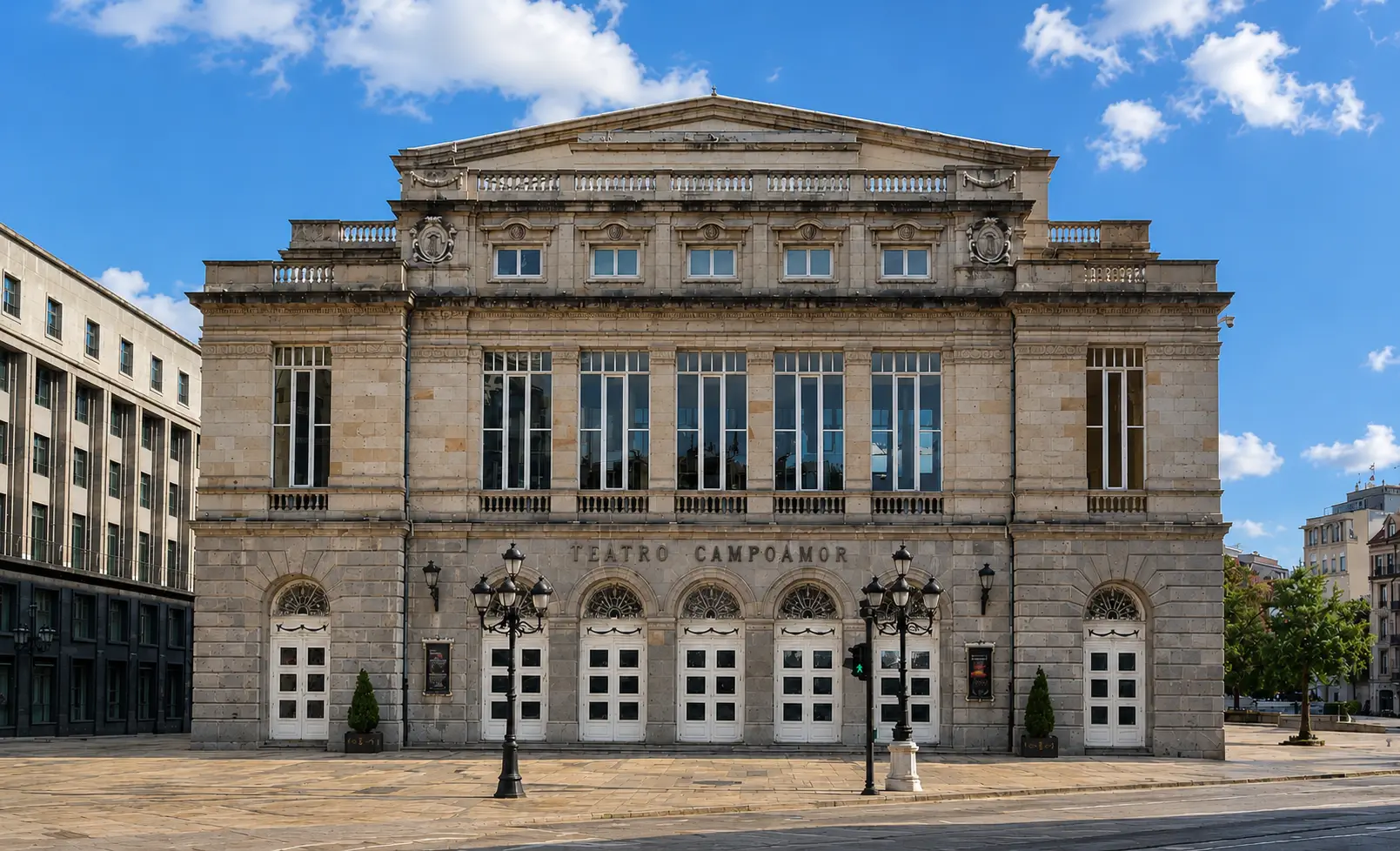
Slide to view the changes
THEATRE HISTORY
Teatro Campoamor stands on Calle Pelayo, just a few metres from Calle Uría and Campo San Francisco. It was built between 1883 and 1892 by J. López Salaberry and Siro Borrajo Montenegro on land belonging to the former Convent of Santa Clara. The site chosen for the new theatre was identified by the then municipal architect J. M. de la Guardia with the aim of replacing the Teatro de El Fontán, which had originated as a theatre courtyard in 1670.
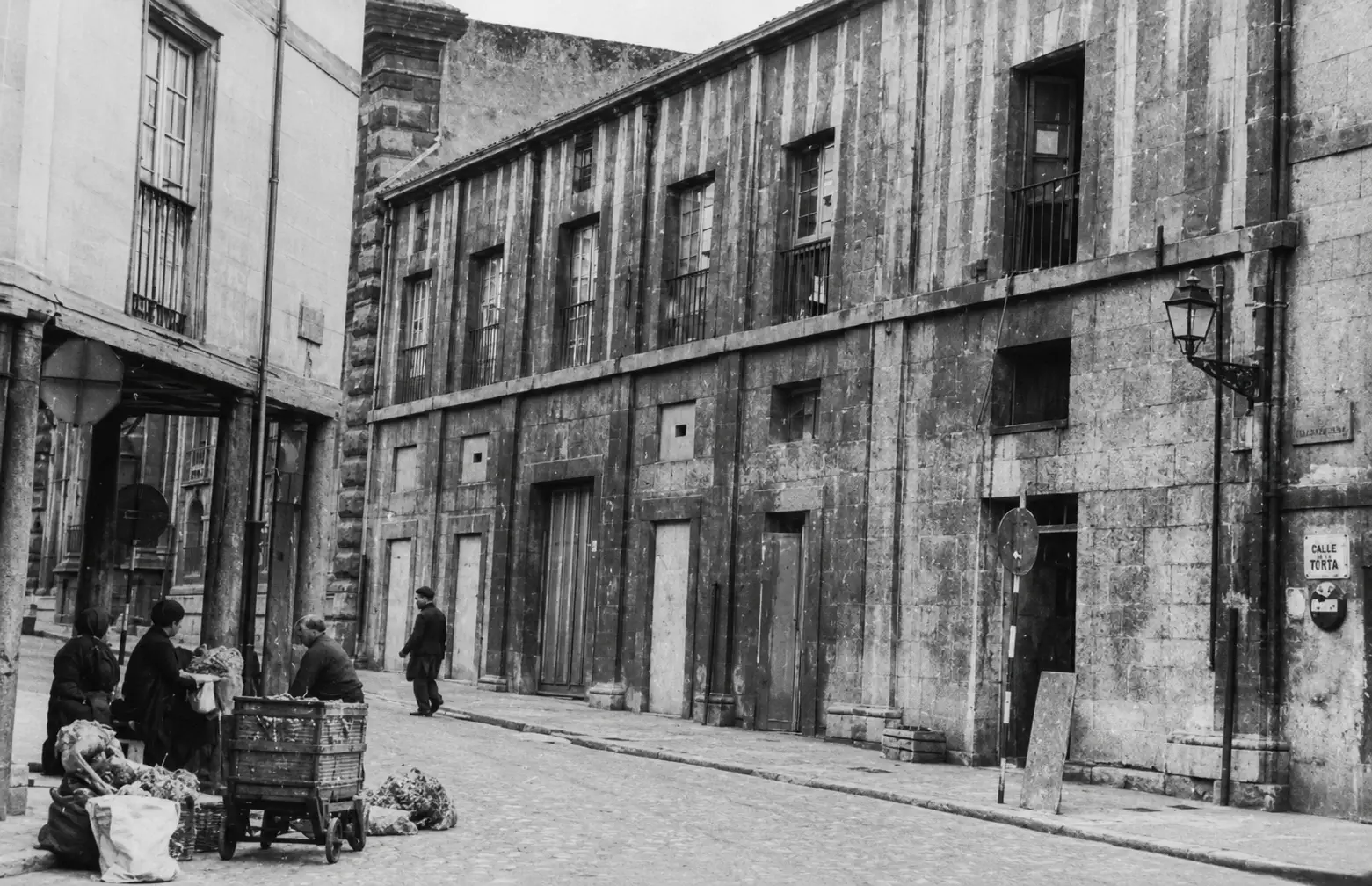
antiguascofradias.blogspot.com
The project for this cultural venue began to take shape in 1876, when José Longoria Carbajal was Mayor of Oviedo, following a proposal by the writer, author of the novel La Regenta and then councillor, Leopoldo Alas “Clarín”. The theatre’s name was proposed at the municipal session of 10 May 1890 by Clarín himself, who suggested that the “New Theatre”, as it was then known, should bear the surname of the politician and celebrated poet from Navia, Don Ramón de Campoamor. The proposal was accepted unanimously.
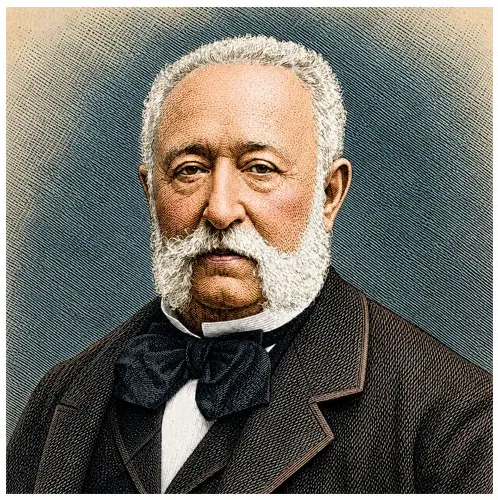
AI-generated
OPENING
Teatro Campoamor was created as a venue for opera and theatre performances in response to demand from the rising bourgeoisie in the capital. On 17 September 1892 Teatro Campoamor opened, during the mayoralty of D. Francisco Secades, with Meyerbeer’s opera Les Huguenots. The opera was noted for the spectacular scale of its staging, with large choreographic scenes and a five-act structure.
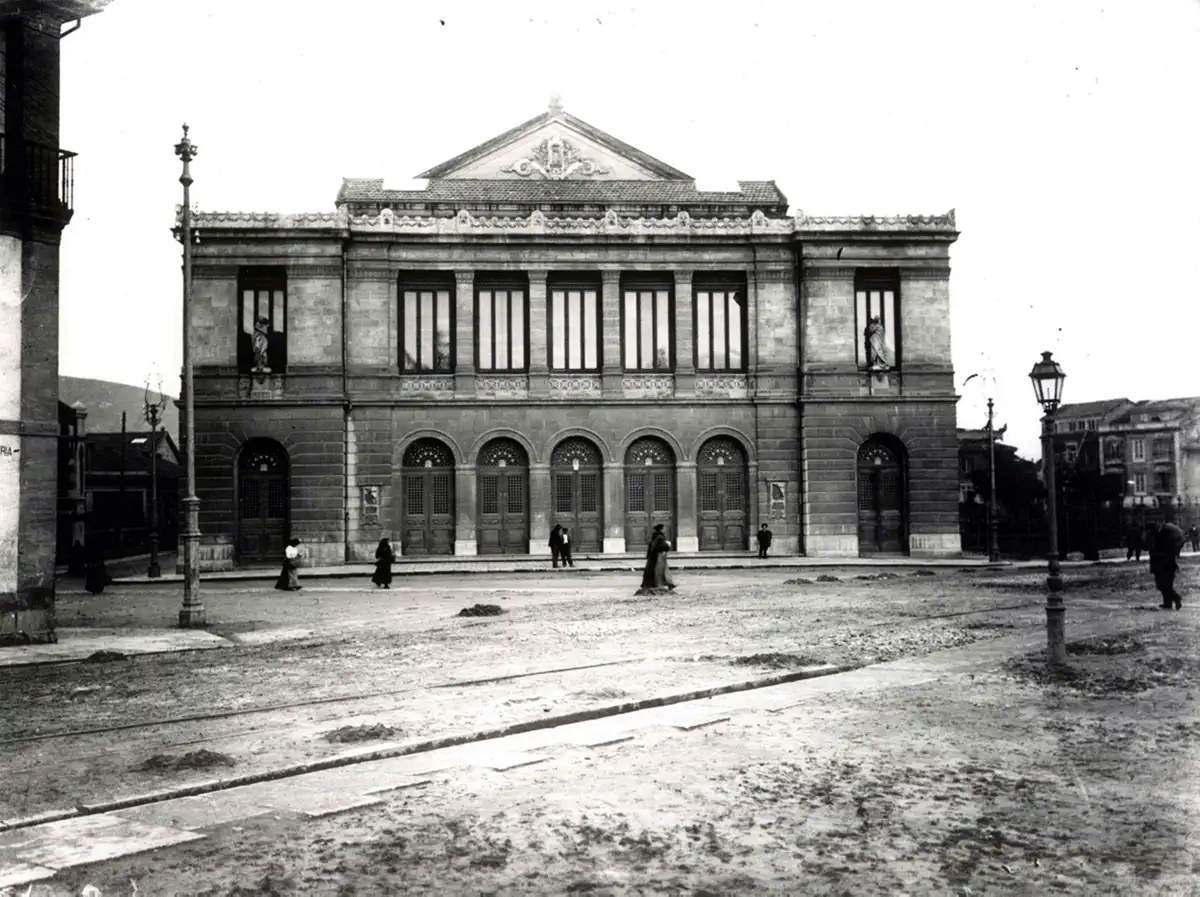
Source: Municipal Archive
ALTERATIONS
The first alterations took place in 1916 and focused on restructuring the interior and increasing seating capacity. In order to increase the number of seats, the boxes enclosing the stalls and the partitions between the upper-floor boxes were removed. A row of seats was added towards the space occupied by the orchestra, the foyer was adapted for use as a restaurant, a café was installed on the ground floor and the lighting system was renovated.
In October 1934, fearing that revolutionaries would attack the Assault Guard barracks located in the former Convent of Santa Clara, the government authorities set fire to the theatre. Only part of the façade remained standing, and many decorative elements were lost, including the sculptures that had crowned it.
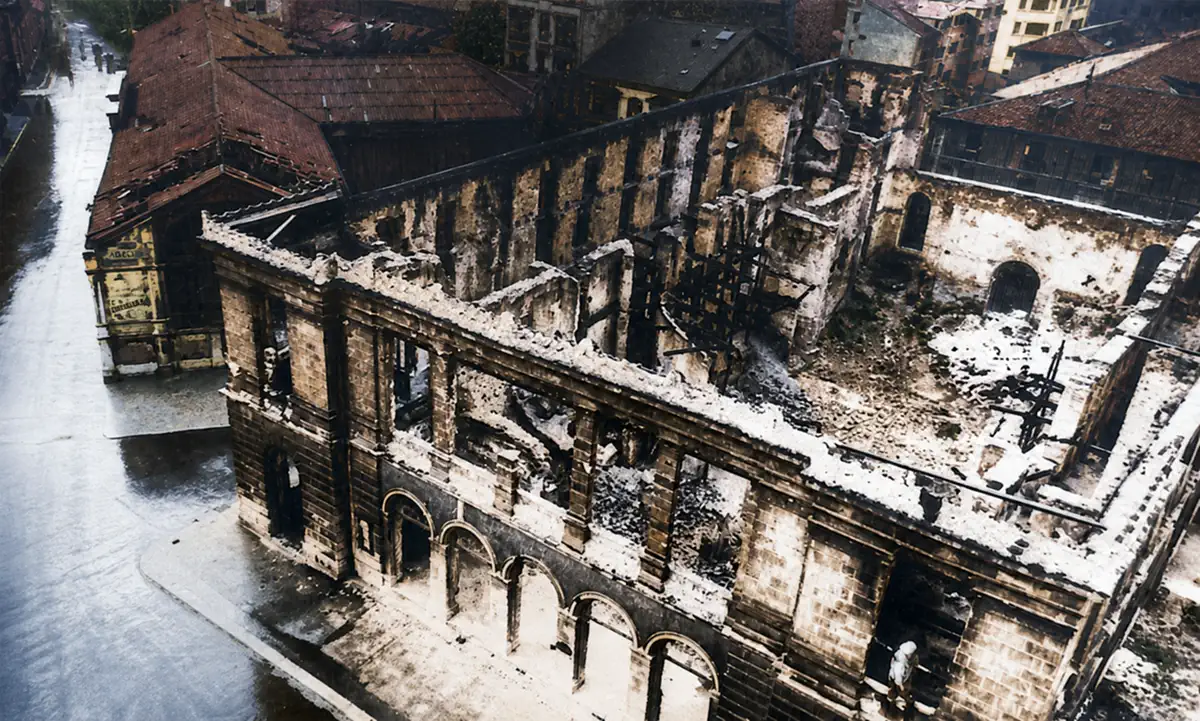
Source: “Teatro Campoamor. Chronicle of a Centenary Coliseum”
Luis Arrones Peón
Enhanced image
In 1936, the architects Rodríguez Bustelo and Casariego, together with the municipal engineer Sánchez del Río, presented a first reconstruction project. However, it was not until 1941 that the second major rebuilding phase began, led by the municipal architect Gabriel de La Torriente under the direction of Carlos Sánchez del Río, with the support of the recently appointed mayor, Manuel García Conde. The project introduced a new concrete structure and considerably altered the original appearance, especially the façade and the interior of the coliseum, giving it a more open layout: the boxes were rebuilt and the height was increased with an attic storey, extending the amphitheatre and upper gallery tiers. The stage house was not significantly enlarged, retaining the same width and approximately the same depth.
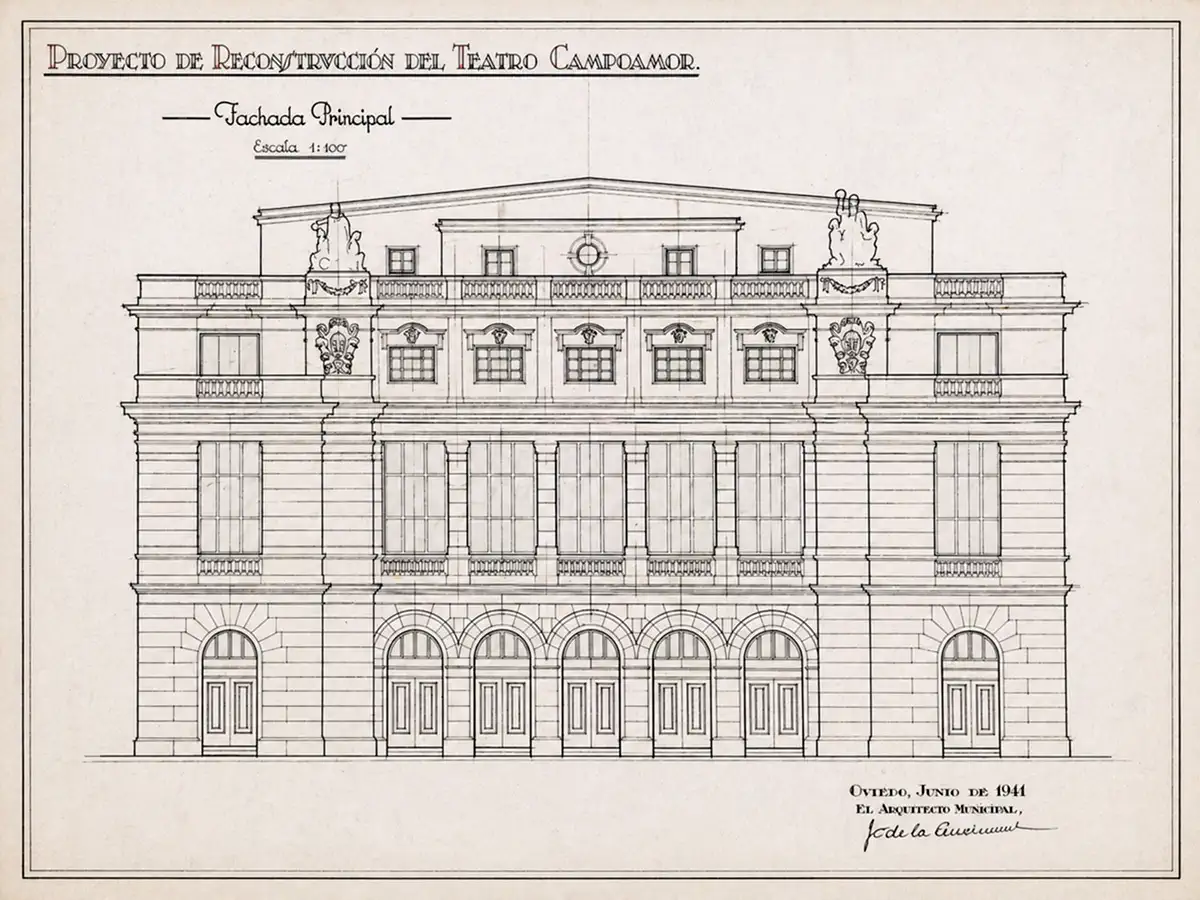
Source: Municipal Archive
The Oviedo sculptor Víctor Hevia Granda was commissioned to create a bust of the poet Ramón de Campoamor, a fitting tribute to the figure who gives the theatre its name. It was placed in the main foyer at the theatre entrance, before access to the stalls. In early August 1948, the spectacular Isabelline-style chandelier, made of bronze and glass, was suspended from the auditorium vault.
REOPENING OF THE COLISEUM
On 18 September 1948, Campoamor reopened with the premiere of Massenet’s opera Manon, featuring the young Victoria de los Ángeles, already one of the most sublime voices in memory. Since then, Campoamor has hosted renowned opera and zarzuela seasons, theatre, dance, concerts, cinema and special events, most notably the ceremony of the Princess of Asturias Awards.
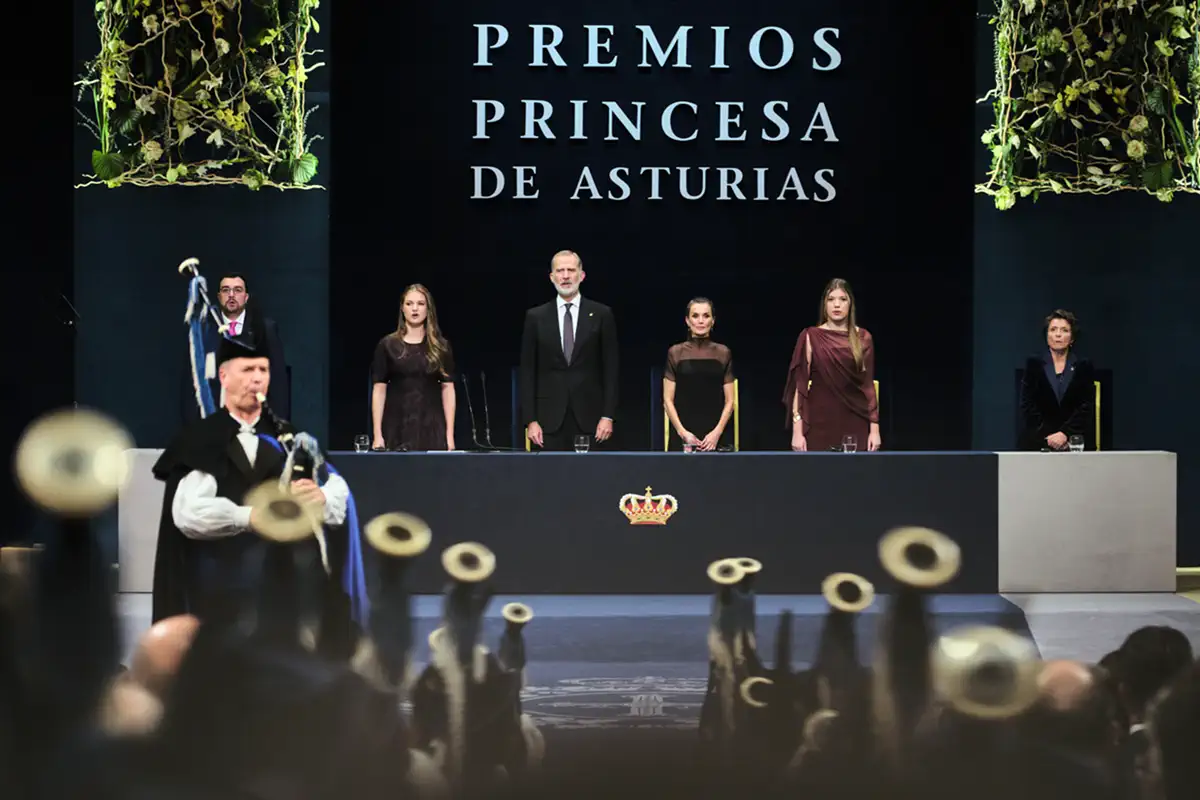
Source: Princess of Asturias Foundation / Yeray Menéndez
RESTORATION
The necessary renovation came in 1983, during the mayoralty of D. Antonio Masip, when the Ministry of Public Works and Urban Planning (MOPU) included Campoamor in the Plan for the Rehabilitation of Historic Theatres. The project was entrusted to the architects Pedro Casariego Hernández-Vaquero and Fernando Nanclares in 1985. After an initial study, structural problems were detected in the building, delaying the works until 1986.
Once again, on 6 September 1986, Campoamor reopened with Tamayo’s Antología de la zarzuela, featuring tenor Plácido Domingo and Asturian soprano Josefina Arregui.
In 1998, the City Council undertook extension and improvement works on the theatre facilities, entrusted to the architect José Rivas, advised by the set designer Julio Galán. The stage floor and orchestra pit were renovated and the theatre was equipped with modern stage technologies. The subsoil beneath the former gardens was used to install rehearsal rooms, a wardrobe department and dressing rooms.
On 17 September 2017, as part of the celebrations marking the 125th anniversary of Teatro Campoamor, a plaque was unveiled in the foyer recalling the important role played by Clarín in the history of the coliseum.